
What Is CNG?
What Does CNG Stand For?
CNG stands for compressed natural gas. Natural gas is predominantly methane and is used by many people for cooking and heating in their homes. Like petrol and diesel it is a fossil fuel but burns much cleaner. The result of this is greatly reduced vehicle emissions.
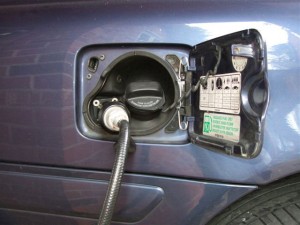
World Picture
Over 17 million vehicles worldwide currently use CNG as a fuel. The largest market worldwide is Pakistan and Italy is the largest European market with 850,000 vehicles. Government support for CNG varies from country to country but many impose lower taxes on CNG and also supply grants for vehicle conversions.

How to Use It
Natural gas is compressed from the normal gas supply pipeline and is stored in a car at a pressure of 200bar in a cylinder specially designed for the purpose. From there it is fed to the spark ignition engine which will have been slightly modified to use the fuel. Most cars that run on CNG are also able to run on petrol and are termed bi fuel cars.
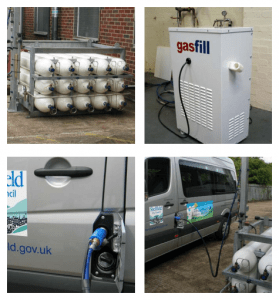
Vehicles
A large number of vehicle manufacturers in Europe offer factory produced CNG vehicles and these include Fiat, Opel, Mercedes, VW, Citroen, Renault, Honda and Peugeot. In the UK right hand drive CNG vans are available from Iveco and Mercedes Benz.

Cost of Conversion
It is also possible to convert a petrol engined vehicle to run on CNG. A conversion costs around £1500 and in some countries government grants to offset this cost may be available.